

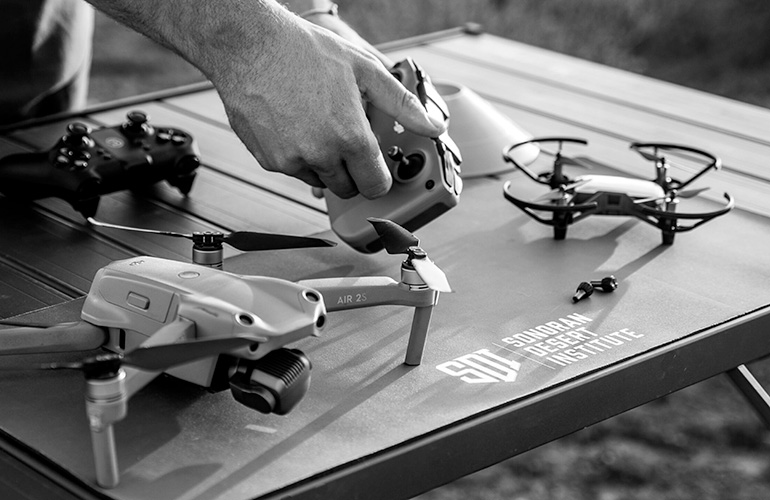
Is Sonoran Desert Institute worth it? For many drone enthusiasts, the journey begins with weekend flights and hobby projects, but the real opportunity lies in turning that passion into a career. Sonoran Desert Institute (SDI), which is accredited by the Distance Education Accrediting Commission (DEAC), offers programs that move students beyond recreational flying into professional roles. From certified remote pilots to systems engineers, the Uncrewed Aircraft Systems (UAS) industry is expanding, creating demand for individuals who combine technical skills with formal training.
What sets formal training apart is its ability to connect passion with purpose. Students gain not only the hands-on expertise to operate drones safely and effectively, but also the broader perspective needed to understand regulations, ethics and industry applications. This dual focus helps transform a personal interest into a professional pathway, equipping learners with the credibility and confidence to step into roles that are shaping the future of aviation and technology.
Certified Remote Pilots
One of the most accessible entry points into the industry is becoming a certified remote pilot under the FAA’s Part 107 regulations. This certification allows operators to fly drones commercially, opening opportunities in real estate, construction surveying, film production and infrastructure inspection.
While the test is available to anyone, structured preparation makes a difference. The Certificate in Uncrewed Technology – Aerial Systems includes coursework that helps students prepare for the FAA remote pilot exam, while also covering safety, aviation management and flight planning. For many, this structured path answers the question. Is Sonoran Desert Institute worth it for aspiring professionals? The answer comes when graduates leave not only with certification, but also with the confidence to apply it in real-world projects.
Data Analysts and GIS Specialists
Aerial data has become as valuable as aerial imagery. Industries from agriculture to logistics depend on drones to gather information, which must then be processed and interpreted. This is where careers in data analysis, Geographic Information Systems (GIS) and remote sensing emerge.
Multispectral imaging allows farmers to detect crop stress before it is visible. LiDAR provides surveyors with precise elevation models, while thermal imaging reveals heat leaks in buildings or hotspots in disaster zones. These applications rely on professionals who can manage both the flight operations and the data analysis that follows. The Associate of Science in Uncrewed Technology prepares students with coursework in GIS, thermography and remote sensing. Alums who once asked if the investment in Sonoran Desert Institute was worth it often point to these classes, as the bridge that turned their hobby into a technical career in data-driven fields.
Inspection and Maintenance Roles
As drones replace scaffolding and manual inspection in many industries, new careers have opened in infrastructure monitoring. Utility companies, construction firms and transportation agencies rely on drones to inspect bridges, pipelines, power lines and rooftops. These roles require more than just piloting. They demand knowledge of safety protocols, diagnostics and risk management.
The programs introduce students to structured checklists, documentation and project-based assignments that mirror professional standards. For hobbyists transitioning into inspection roles, it provides both the technical and regulatory training needed to work on critical infrastructure, safely.
Systems Engineers and Developers
Not every UAS career centers on flying. Some roles focus on designing and improving the technology itself. Systems engineers and developers work on building drones, integrating sensors and writing the software that governs autonomy. These positions often attract students with technical backgrounds, who want to combine engineering knowledge with aviation principles.
While SDI provides foundational training, it also prepares students for advanced study or specialized career paths. Many graduates see their certificate or associate degree as the first step in a larger journey, because it offers accessible, accredited training that lays the groundwork for engineering and development careers.
Military and Public Safety Careers
Public safety agencies and the military have adopted UAS technology at scale. Firefighters use drones to monitor wildfires, law enforcement relies on aerial views for crowd management, and emergency responders use them for search-and-rescue missions. In the military, uncrewed systems support reconnaissance, logistics and situational awareness.
SDI is especially well-suited for students following these paths, because of its strong track record with military learners. With VA benefits, Tuition Assistance (TA) and policies designed to fit service members’ lives, it makes formal training achievable, even while juggling other responsibilities. It’s education that’s accessible, practical and designed to deliver real results.
How SDI Prepares Students
The programs are designed to move students beyond hobby-level flying into professional readiness.
- Certificate in Uncrewed Technology – Aerial Systems: A 16-credit program that covers UAS fundamentals, sensors, aviation management and FAA remote pilot prep in one 20-week semester.
- Associate of Science in Uncrewed Technology: A 60-credit program over four semesters that expands into GIS, thermography, project management and advanced remote sensing.
Both programs are completely online, giving students the freedom to learn from anywhere. DEAC accreditation confirms that the coursework meets national standards, while hands-on, project-based assignments keep learning practical and applicable. For prospective students, the mix of affordability, flexibility and career-focused training makes a strong appeal.
Student Testimonials and Outcomes
The most persuasive voices come from students themselves. One graduate shared, “I started as a hobbyist, building drones in my garage. I wasn’t sure if investing in Sonoran Desert Institute was worth it, until I realized how the coursework helped me prepare for the FAA exam, and taught me data analysis. Now I’m working in construction surveying, and the transition from hobby to career feels seamless.”
Others describe similar paths, moving from weekend flying to roles in agriculture, public safety and logistics. These stories highlight how structured training can turn personal interest into a professional opportunity. The UAS industry is no longer a niche hobby. It is a growing field with careers that span aviation, engineering, data science and public safety. Certified pilots, analysts, inspectors and developers are in demand, and opportunities continue to expand, as drone applications grow.
“Is Sonoran Desert Institute worth it?” The answer is clear. With accredited programs, online flexibility and career-focused coursework, SDI offers more than just education. It creates a pathway from hobbyist interest to professional achievement. For anyone ready to advance in uncrewed technology, it provides the skills, guidance and credentials needed to succeed.
