

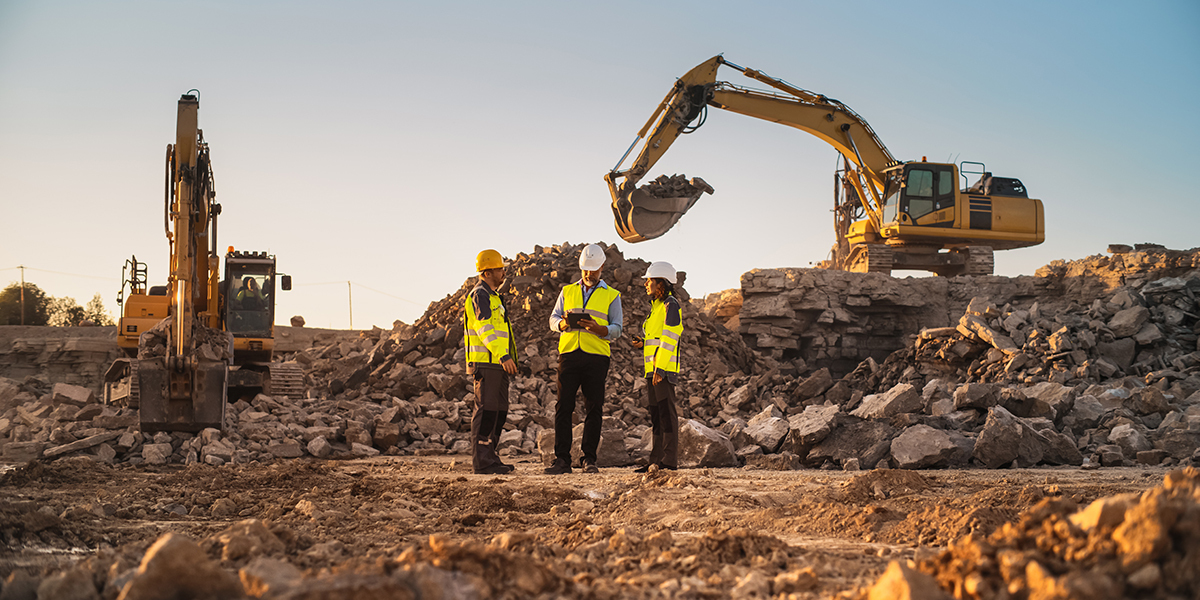
Selecting the right team for complex machinery setup can have a lasting impact on both safety and operational performance. Heavy equipment installation experts play a critical role in ensuring that machinery is installed correctly, aligned precisely, and fully integrated into existing systems. Because of the technical and logistical demands involved, choosing the right experts requires careful evaluation of experience, capabilities, and overall approach.
One of the most important factors to consider is experience. Industrial equipment varies widely in size, complexity, and function, and installation requirements can differ significantly between projects. A team with proven experience in handling similar equipment is more likely to understand the specific challenges involved. Reviewing past projects, case studies, or industry experience can provide valuable insight into whether the experts are well suited to the task.
Technical capability is another key consideration. Heavy equipment installation experts must be able to handle a range of tasks, from precise positioning and alignment to system integration and testing. This often involves specialised tools and knowledge of both mechanical and electrical systems. Ensuring that the team has the necessary technical expertise helps reduce the risk of errors that could affect performance or safety.
Safety standards are also a critical element. Installing heavy equipment involves significant risks, including lifting operations, working with large components, and managing complex environments. A reputable team will have clear safety protocols in place, along with the necessary certifications and training. Understanding how safety is managed throughout the project provides reassurance that risks are being addressed appropriately.
Project management plays an important role in the success of the installation. Effective coordination is required to ensure that all stages of the process are completed on time and in the correct sequence. This includes planning, scheduling, and communication between different teams involved in the project. A well-structured approach to project management helps minimise delays and ensures that the installation progresses smoothly.
Another factor to consider is the ability to integrate new equipment with existing systems. Many industrial environments rely on interconnected processes, and ensuring that new machinery fits seamlessly into this framework is essential. Heavy equipment installation experts should have the capability to manage this integration, ensuring that all components work together efficiently once the installation is complete.
Flexibility and adaptability can also influence the outcome of a project. Industrial installations often involve unexpected challenges, such as site constraints or changes in requirements. A team that can respond effectively to these situations is better equipped to maintain progress and deliver results without compromising quality.
Communication is another important aspect. Clear and consistent communication helps ensure that all stakeholders are informed and aligned throughout the project. This includes providing updates, addressing concerns, and ensuring that expectations are clearly understood. Strong communication contributes to a more efficient and collaborative working environment.
Resource availability is also worth considering. The right experts should have access to the equipment, personnel, and support needed to complete the project effectively. This includes lifting equipment, specialised tools, and a skilled workforce. Adequate resources help ensure that the installation can be carried out without unnecessary delays.
Cost should be evaluated in relation to overall value rather than as a standalone factor. While it may be tempting to choose the lowest option, this can sometimes lead to compromises in quality or reliability. Assessing the balance between cost, expertise, and service helps ensure that the investment delivers long-term benefits.
Choosing the right heavy equipment installation experts involves considering a combination of technical skill, experience, and organisational capability. Each of these factors contributes to the overall success of the project and the performance of the equipment once installed.
Taking a structured and informed approach to this decision helps ensure that the installation is carried out safely, efficiently, and to a high standard. With the right team in place, businesses can move forward with confidence, knowing that their equipment is set up to perform reliably from the outset.
