

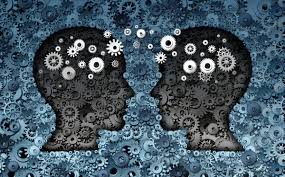
Modern organizations are entering a new era where managing people is no longer about control or hierarchy—it’s about understanding how the human brain drives behavior, motivation, and decision-making. This evolution has led to the rise of Neuro-Management, a sophisticated discipline that integrates insights from neuroscience into leadership and organizational strategy.
In a world defined by constant change, leaders who understand how the brain functions can create workplaces that are more adaptive, creative, and resilient. Neuro-Management goes far beyond motivational theories—it focuses on how neural processes directly influence leadership effectiveness, team dynamics, and organizational transformation.
The Foundation of Neuro-Management
Neuro-Management is the intersection of neuroscience and management science, where leaders apply brain-based knowledge to improve decision-making, emotional intelligence, and strategic performance. It’s grounded in the understanding that the human brain is not a static organ—it continuously evolves through experience, feedback, and environmental stimuli.
By recognizing how neurobiological systems operate, managers can foster better communication, reduce cognitive fatigue, and stimulate innovative thinking. The goal is not to manipulate people’s minds, but to align business practices with human neurobiology, creating a workplace that supports peak performance naturally.
Neuroplasticity: The Brain’s Blueprint for Leadership Growth
One of the most transformative principles in neuroscience is neuroplasticity—the brain’s ability to reorganize and form new neural connections. In the context of management, this means that leadership is not a fixed trait; it’s a dynamic skillset that evolves with deliberate practice and experience.
Leaders who embrace neuroplasticity adopt a growth mindset, encouraging their teams to experiment, fail intelligently, and learn continuously. This approach builds cognitive agility within organizations, allowing them to adapt faster to disruption. When leaders design environments that challenge the brain appropriately—balancing novelty with familiarity—they activate the prefrontal cortex, enhancing creativity, foresight, and strategic reasoning.
Emotional Regulation and the Neuroscience of Trust
At the heart of Neuro-Management lies emotional regulation—the ability to manage one’s emotional responses to internal and external stimuli. The brain’s amygdala is responsible for processing fear and threat, while the prefrontal cortex governs rational decision-making. Effective leaders learn to calm the amygdala’s reactivity during high-pressure moments, ensuring that decisions are driven by clarity rather than panic.
Trust, too, is a neurological phenomenon. The release of oxytocin, a hormone associated with social bonding, enhances collaboration and loyalty within teams. Leaders who demonstrate empathy, transparency, and consistency stimulate oxytocin production in others, creating a psychologically safe culture where innovation thrives.
The Neuroscience of Motivation and Performance
Motivation in the workplace has traditionally been driven by external rewards—bonuses, recognition, or promotions. Neuro-Management shifts the focus to intrinsic motivation, tapping into the brain’s dopamine system, which governs pleasure and reward anticipation.
When employees feel autonomy, mastery, and purpose in their roles, their dopamine levels rise, improving focus and persistence. Leaders can enhance motivation by:
-
Designing meaningful work that aligns with personal and organizational values
-
Providing regular, constructive feedback to stimulate the brain’s reward circuits
-
Setting achievable micro-goals that trigger dopamine-driven satisfaction upon completion
-
Encouraging flow states, where challenges match skill levels, leading to peak engagement
Neuro-Management helps leaders understand that sustainable motivation arises from neural engagement, not external pressure.
Decision-Making Under Neural Constraints
Every leader faces complex decisions that demand analytical rigor and intuition. However, neuroscience reveals that the brain’s decision-making systems are prone to biases, fatigue, and overload. Cognitive overload, for instance, impairs the dorsolateral prefrontal cortex, leading to poor judgment.
To optimize decision-making, Neuro-Management encourages:
-
Cognitive diversity within teams to counteract individual biases
-
Mindfulness practices that reduce stress and improve clarity
-
Strategic rest cycles to restore executive functioning
-
Scenario simulation that activates multiple neural pathways for complex problem-solving
Leaders who understand these neural constraints create systems that support better cognitive performance rather than overburdening their teams.
The Role of Mirror Neurons in Leadership Communication
Communication in leadership is not just verbal—it’s deeply neurological. The discovery of mirror neurons—brain cells that fire both when we perform an action and when we observe others performing it—has profound implications for management.
When leaders exhibit calm, confidence, and openness, their teams unconsciously mirror these behaviors. Conversely, anxiety or aggression in a leader can trigger the same emotional response in others. Effective leaders use nonverbal communication, tone modulation, and body language to positively influence group dynamics at a subconscious level.
Understanding mirror neurons helps managers cultivate empathy, alignment, and collaboration across all organizational layers.
Creating Brain-Friendly Organizational Cultures
Organizational transformation begins with culture—and culture begins in the brain. A brain-friendly workplace is one that minimizes threat responses and maximizes engagement. According to the SCARF model (Status, Certainty, Autonomy, Relatedness, Fairness), these five domains strongly influence human behavior.
To apply Neuro-Management effectively, leaders should:
-
Provide certainty through transparent communication
-
Offer autonomy in decision-making and work methods
-
Recognize individual status and contributions
-
Build relatedness by fostering social connection
-
Ensure fairness in resource allocation and evaluation
By satisfying these neurological needs, leaders activate the brain’s reward circuitry, promoting trust, creativity, and sustained performance.
Neuro-Management and Organizational Transformation
When organizations adopt Neuro-Management principles, transformation occurs on multiple levels—individual, team, and systemic. Brain-based leadership encourages self-awareness, resilience, and empathy, which collectively enhance adaptability.
During transformation initiatives, leaders can apply neuro-based strategies such as:
-
Change reframing: Using narrative techniques to help teams view transformation as opportunity rather than threat
-
Cognitive training: Enhancing focus, emotional intelligence, and creative thinking through neuroscience-backed learning
-
Neurological resilience programs: Reducing burnout and maintaining mental stamina during periods of uncertainty
-
Feedback re-engineering: Delivering feedback in ways that minimize amygdala activation and maximize learning retention
Organizations that align structural change with human neurobiology experience smoother transitions, stronger engagement, and long-term cultural sustainability.
The Ethical Side of Neuro-Management
While Neuro-Management offers powerful tools, it also raises ethical considerations. Understanding how the brain works grants immense influence over human behavior. Leaders must therefore apply these insights responsibly, ensuring they enhance well-being rather than manipulate emotions or decisions.
Ethical Neuro-Management prioritizes psychological safety, informed consent, and authentic leadership, emphasizing that brain-based strategies should empower employees rather than control them.
The Future of Neuro-Management
As artificial intelligence and digital transformation accelerate, human cognition remains the ultimate differentiator. Neuro-Management will increasingly guide how organizations design leadership development, employee experiences, and innovation systems.
Future leaders will blend data analytics with brain analytics, using neuroscience not just to predict behavior but to elevate potential. The most successful organizations will be those that understand the brain—not just the balance sheet.
FAQs About Neuro-Management
1. How does Neuro-Management differ from traditional leadership approaches?
Traditional leadership focuses on external behaviors and results, while Neuro-Management focuses on understanding the internal cognitive and emotional processes that drive those behaviors.
2. Can Neuro-Management improve employee retention?
Yes, by creating brain-friendly environments that support autonomy, fairness, and trust, employees experience higher engagement and satisfaction, reducing turnover rates.
3. Is Neuro-Management applicable to remote teams?
Absolutely. Virtual leaders can use neuroscience principles to manage attention, empathy, and connection even through digital communication platforms.
4. What role does emotional intelligence play in Neuro-Management?
Emotional intelligence is central—it aligns with emotional regulation, empathy, and social cognition, all of which are vital components of neuro-based leadership.
5. Can Neuro-Management be learned, or is it innate?
It can be learned through training, coaching, and self-awareness exercises that enhance understanding of brain function and human behavior.
6. Does applying Neuro-Management require a background in neuroscience?
No. While scientific literacy helps, most principles are practical and can be applied through leadership training, communication frameworks, and mindful management practices.
7. What is the biggest challenge in implementing Neuro-Management?
The main challenge lies in shifting organizational mindsets—moving from command-and-control leadership to an empathetic, brain-informed approach that values cognitive diversity and emotional well-being.
