

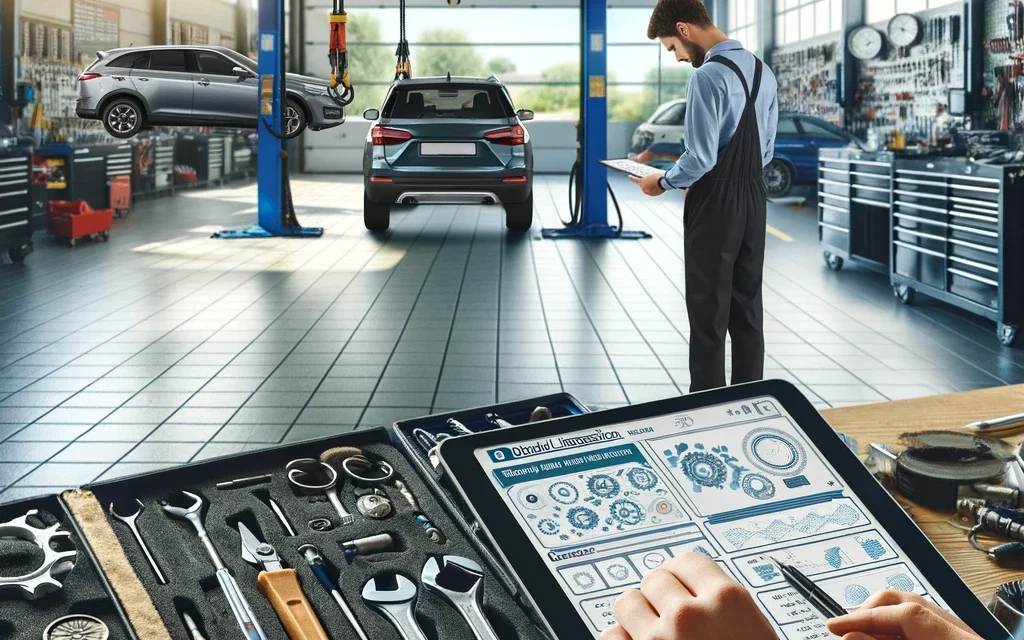
In today’s technology-driven world, communication defines customer experience. For auto repair businesses, effective communication is no longer just about phone calls and handwritten notes—it’s about providing timely, transparent, and efficient updates through digital channels. Customers expect the same convenience and accessibility from repair shops that they receive from other service industries. Implementing digital communication tools is no longer optional; it’s a strategic necessity for improving trust, efficiency, and long-term customer relationships.
Implementing auto repair invoice best practices ensures transparency and professionalism. Invoices should clearly itemize labor, parts, taxes, warranties, and payment terms. Including vehicle details and service descriptions reduces disputes and builds trust. Accurate and organized invoicing also simplifies accounting processes and improves overall customer communication.
The Shift Toward Digital Communication in Auto Repair
The modern customer is digitally connected. Whether they are booking a haircut, ordering food, or scheduling car maintenance, most customers prefer fast, mobile-friendly communication. According to industry studies, over 80% of customers prefer text or digital updates instead of phone calls when interacting with service providers. This shift in behavior has completely changed how successful auto repair shops manage customer relationships.
When a repair shop adopts digital communication tools, it bridges the gap between customer expectations and traditional business practices. Customers want instant updates, clear explanations, and a hassle-free process—and digital platforms deliver exactly that.
What Are Digital Communication Tools for Auto Repair Shops?
Digital communication tools encompass a range of software and technologies that streamline customer interactions, internal coordination, and overall workflow. These can include:
- Text Messaging Platforms: Enable shops to send instant updates, estimates, or reminders.
- Email Automation Systems: Used for follow-ups, service reminders, and invoices.
- Customer Relationship Management (CRM) Systems: Centralize communication and service history for each client.
- Digital Vehicle Inspection (DVI) Tools: Allow technicians to share photos and videos of issues directly with customers.
- Mobile Apps or Web Portals: Let customers track repair progress, approve services, and make payments online.
Integrating these systems creates a seamless, transparent experience for both the shop and the customer.
Why Digital Communication Tools Are Essential for Auto Repair Success
The benefits of digital communication go far beyond convenience. It impacts nearly every aspect of your business—from customer satisfaction to productivity and profitability.
1. Enhancing Transparency and Building Trust
Transparency is one of the most powerful factors in customer retention. Many car owners are cautious about repair shops because they fear hidden costs or unnecessary recommendations. Digital communication tools eliminate that uncertainty by giving customers real-time visibility into what’s happening with their vehicles.
For example:
- A digital vehicle inspection system can send photos and short videos of damaged parts, allowing customers to see exactly why a repair is necessary.
- Automated estimates show clear pricing breakdowns, eliminating confusion or suspicion.
- Status updates through text or email keep customers informed about repair progress.
When customers see tangible proof and timely updates, trust naturally follows. Transparency builds loyalty, and loyalty drives repeat business.
2. Improving Efficiency and Reducing Downtime
Communication delays often slow down the repair process. If a technician needs approval for an additional repair but can’t reach the customer, the entire workflow stalls. Digital communication tools solve this by ensuring instant connection.
With automated systems:
- Service advisors can send notifications for repair approvals in seconds.
- Customers can respond immediately, authorizing work through a text or email link.
- Staff can prioritize tasks efficiently without waiting on callbacks.
This streamlined communication reduces idle time, accelerates repair completion, and increases shop throughput.
3. Increasing Customer Satisfaction and Convenience
Modern consumers expect simplicity and control. Digital communication tools empower them by allowing easy access to service information at their convenience. Customers can:
- Schedule appointments online anytime.
- Receive real-time updates on their phone.
- Approve or decline recommended repairs remotely.
- Make secure payments digitally without waiting in line.
By minimizing friction in every stage of the service process, your shop delivers an experience that feels effortless—and customers reward that level of convenience with loyalty and positive reviews.
4. Strengthening Follow-Up and Retention Strategies
Many repair shops lose potential repeat customers simply because they fail to follow up effectively. Without consistent reminders, even satisfied customers might forget to return for maintenance. Digital communication tools automate follow-ups, ensuring ongoing engagement.
Your system can:
- Send oil change or tire rotation reminders based on mileage or time intervals.
- Deliver thank-you messages after each visit.
- Offer promotional discounts for returning customers.
- Request reviews or feedback to measure satisfaction.
This consistent, professional follow-up turns a one-time customer into a long-term client. It also creates multiple touchpoints that reinforce brand recall.
5. Reducing Administrative Workload
Manual communication methods consume valuable time. Service advisors often spend hours on the phone, sending individual emails, or writing down notes. Digital communication tools automate these repetitive tasks, freeing up staff to focus on higher-value activities.
For instance:
- Automated scheduling reduces back-and-forth calls.
- Pre-set text templates handle common updates like “Your car is ready for pickup.”
- Integrated invoicing tools generate and send receipts automatically.
This efficiency improves overall productivity and ensures consistent, professional communication without human error.
6. Creating a More Professional Image
In a competitive market, perception matters. Digital communication tools give your shop a polished, modern image that resonates with customers. Instead of waiting for phone calls or paper estimates, customers receive sleek, digital communications that reflect professionalism and reliability.
A modernized communication process positions your business as forward-thinking and customer-focused—two traits that today’s car owners value highly. This perception builds credibility and differentiates your shop from those still relying solely on traditional methods.
7. Data-Driven Insights for Better Decision Making
Digital communication tools collect valuable data that helps you understand your customers and business performance. Insights such as message open rates, appointment patterns, or approval times can reveal trends that improve operations.
For example:
- Identify which services have the highest approval rates.
- Track customer response times to optimize communication frequency.
- Measure satisfaction levels through feedback forms or surveys.
By analyzing these data points, you can refine marketing strategies, anticipate customer needs, and continuously improve service quality.
8. Adapting to Customer Demographics
Younger generations, such as Millennials and Gen Z, represent a growing portion of car owners. These customers prefer digital communication over phone calls. By implementing modern tools, your shop aligns with their preferences while maintaining accessibility for older clients who might still favor traditional methods.
Digital communication platforms allow you to meet customers where they are—on their phones, emails, or social media—ensuring inclusivity and relevance across demographics.
Implementing Digital Communication Tools in Your Auto Repair Business
Transitioning to digital systems might seem challenging, but a structured approach ensures success. Follow these steps to make the process smooth and effective.
Step 1: Evaluate Your Communication Workflow
Assess how your team currently communicates with customers and identify bottlenecks. Ask questions like:
- How much time is spent on calls or manual updates?
- Are customers satisfied with your current communication speed?
- Which stages of service experience the most miscommunication?
Understanding these pain points helps you choose the right digital tools to fill communication gaps.
Step 2: Choose the Right Technology
Select systems that integrate easily with your existing operations. Look for platforms that offer:
- Two-way texting and email automation
- Integration with shop management or CRM software
- Digital inspection and estimate tools
- Data analytics and reporting features
- Customer portals or mobile apps
Ensure the chosen tools enhance both customer experience and internal efficiency.
Step 3: Train Your Team Thoroughly
Even the best technology fails without proper adoption. Train staff on how to use each tool effectively. Encourage them to communicate clearly, maintain a friendly tone, and stay responsive. Consistency in communication style builds trust and professionalism.
Step 4: Communicate the Change to Customers
Let your customers know that your shop has upgraded to digital systems for their benefit. Explain that they’ll now receive faster updates, digital estimates, and convenient reminders. This transparency creates excitement and positions your shop as a leader in customer service.
Step 5: Monitor and Optimize
Once implemented, track performance metrics to ensure your communication strategy is delivering results. Collect customer feedback regularly and fine-tune processes to enhance satisfaction further.
Common Challenges and How to Overcome Them
Challenge 1: Staff Resistance to Change
Some employees may feel uncomfortable with new systems. Overcome this by providing hands-on training and emphasizing how digital tools make their jobs easier.
Challenge 2: Customer Hesitation
A few customers may prefer traditional communication. Offer flexible options—text, email, or phone—to accommodate all preferences.
Challenge 3: Over-automation
While automation is efficient, excessive robotic messaging can feel impersonal. Strike a balance by combining automation with personalized communication from staff when appropriate.
Real-Life Impact of Digital Communication in Auto Repair
Consider a scenario where a customer brings in a car for diagnostics. Instead of waiting for a phone call, they receive a text update:
“Hi Sarah, our technician found a worn belt on your vehicle. Here’s a short video explaining the issue. Would you like us to replace it today for $120?”
Sarah views the video, understands the problem, and approves the work with a single click. No delays, no confusion. This level of transparency and speed not only saves time but also builds immediate trust.
FAQ
Q1: How can digital communication tools increase repair approval rates?
A: By sending visual evidence like photos or videos, customers understand why repairs are necessary, making them more likely to approve work quickly.
Q2: Are digital tools expensive to implement for small repair shops?
A: Many platforms are scalable and affordable. You can start with simple texting or email automation and expand as your business grows.
Q3: How do these tools affect customer loyalty?
A: Consistent communication, convenience, and transparency strengthen trust, encouraging repeat visits and referrals.
Q4: Can digital communication tools replace traditional phone calls completely?
A: Not necessarily. They enhance efficiency, but some customers may still prefer phone conversations. Offering multiple communication options ensures inclusivity.
Q5: What’s the most effective digital tool for auto repair businesses?
A: The best systems combine texting, digital vehicle inspection, and CRM features to create a unified communication and workflow experience.
Integrating digital communication tools into your auto repair business is not just about modernization—it’s about meeting customers where they are and exceeding their expectations. When communication becomes instant, transparent, and customer-focused, your shop gains the trust, loyalty, and reputation needed to thrive in today’s digital-first marketplace.
